About CLAST
Our Tutors

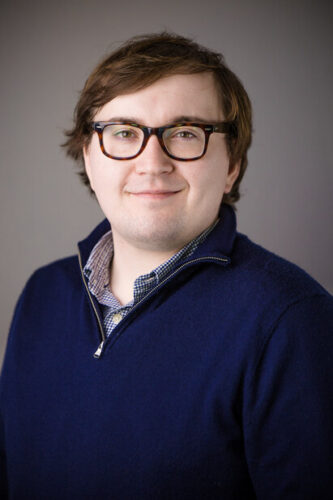
Romuald Binet PhD

Romuald Binet is a cell biologist and project manager with a long standing passion for understanding how cells age, repair themselves, and contribute to human health. After completing his PhD in Molecular and Cellular Biology in France, he moved to the UK to pursue research roles at the University of Oxford and the Ludwig Institute for Cancer Research (LICR). His work there spanned cancer biology and cellular senescence, with a particular focus on DNA repair mechanisms, gene transcription, and protein modifications.

Romuald now works at the Mary Lyon Centre at MRC Harwell, where he helps coordinate complex scientific projects and supports researchers across a wide range of disciplines, with a particular emphasis on microbiome studies and patient derived xenograft models. Alongside his research career, he has been actively involved in scientific community building, serving as Secretary of the International Cell Senescence Association and leading public engagement activities at the LICR. He also contributes to the dissemination of knowledge about non animal research models through the MRC.

He has mentored students and early career researchers throughout his career and enjoys helping learners discover new scientific approaches and build confidence in scientific thinking.

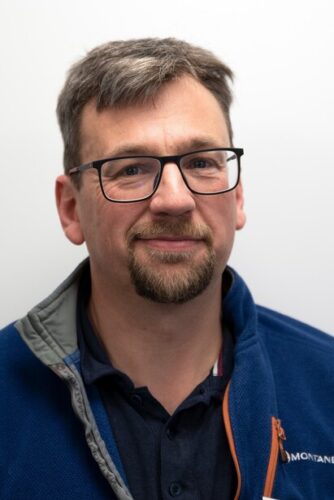
Roger D. Cox PhD

Roger is currently a scientific advisor to the MRC Harwell Animal Welfare and Ethical Review Body (AWERB) and in addition advises on alternatives to animals in scientific research at the Mary Lyon Centre at MRC Harwell.

His career has been spent in human and mouse genetics research. He has extensive expertise in basic research into the genetics of metabolic disease (with a focus on type 2 diabetes, obesity and fat distribution), using in vivo physiological approaches in genetically altered mice.

He has a degree in Biochemistry from the University of Sussex (1982), and a PhD from the University of London (1986).

As a postdoc he worked at the Pasteur Institute in Paris France, investigating transcriptional regulation of skeletal muscle contractile protein genes (1986-1989) and then at the Imperial Cancer Research Fund (ICRF) in London, working on mouse genome mapping using backcross mice, yeast and P1 artificial chromosomes, and positional cloning (1989-1994).

In 1994 he became Head of the Physical Mapping and Gene Identification group at the Wellcome Trust Centre for Human Genetics in Oxford working on various gene identification projects arising from genome wide association (GWA) studies.

Finally, in 1999 he established the genetics of type 2 diabetes group within the Mammalian Genetics Unit, MRC Harwell Institute, which he led until 2022.

He has over 163 publications with a Google Scholar h-index of 60 over all publications.

https://scholar.google.com/citations?user=sDcnvnwAAAAJ&hl=en
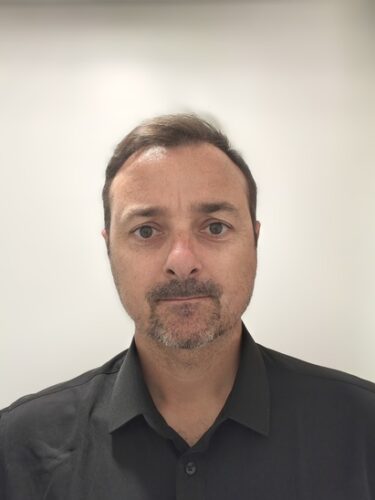
Paul Flecknell Trusteee

Prof Paul Flecknell MA, VetMB, PhD, DLAS, FRCVS, FIAT (hon)

Paul is a laboratory animal veterinarian with extensive experience in animal welfare, anaesthesia, and the assessment and alleviation of pain and distress. He has specialist qualifications in veterinary anaesthesia and analgesia, and in laboratory animal medicine, and a PhD in Physiology. He managed the research animal facilities at Newcastle for over 30 years until his retirement and is currently an Emeritus Professor at Newcastle University. Paul continues to develop teaching and training resources to disseminate best practice in anaesthesia and analgesia and to provide seminars, webinars and workshops for all those involved in in-vivo research.

Mark Gardiner BA (Hons) LM (Open), CSci MRSB, MIAT, R.An.Tech

Mark has worked in the research environment for over 35 year’s predominantly working with mice within the field of enhancing human health.

His current role as Chief Operating Officer at UKRI Mary Lyon Centre at MRC Harwell enables oversight of all areas that are involved to support high quality animal welfare and animals in a research environment.

Mark has been a long time member of the Institute of Animal Technology (IAT) and has been a Registered Animal Technician since it was first introduced. In 2011 Mark was awarded the AAALAC Fellowship, in 2018 Mark became an Honorary Member of the Institute of Animal Technology and in 2019 a Chartered Scientist within the Royal Society of Biology.

One major passion of his is providing advice on good management and leadership practice especially in dealing with change and influencing, two course’s that Mark leads on within the CLAST portfolio. To reinforce this passion Mark has a OU (Hons) degree in Leadership and Management.

Matt Leach PhD

Matt is the Director of the Comparative Biology Centre (animal facilities) at Newcastle University, which is recognised as a centre of excellence for 3Rs innovation, education, and training across a breadth of research species. Matt is an experienced research scientist who has focused on improving the health and welfare of a range of laboratory animal species for over 25 years. Matt is an experienced higher education teacher focusing on the welfare of laboratory animals, the ethics of using animals in research, and experimental design in in vivo research.

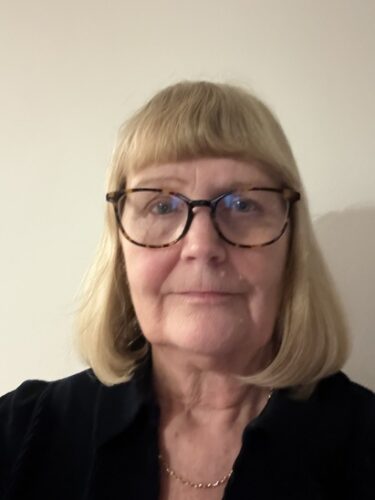
Mandy McMahon

Mandy McMahon is a Director of MCM Consultants, with 30 years of experience in Human Resources and Management Development.

Mandy worked for many years in the Financial Services sector in various HR roles, before becoming an HR Consultant.  Providing HR and development solutions for a range of small and medium size organisations, mainly in the UK, her expertise in developing management skills has been sought widely.

Having worked with a number of clients in the Animal Technology sector, Mandy has been able to blend her extensive HR knowledge and management experience with this sector into running tailored development programmes covering a range of areas from motivation to performance management and communications.

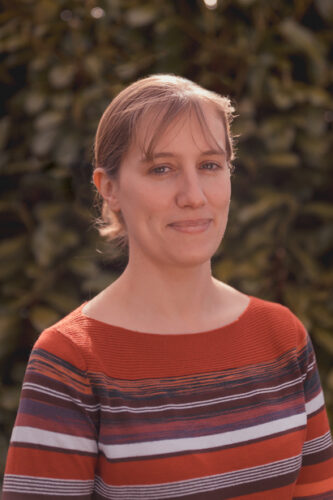
Michelle Stewart PhD

Michelle Stewart is the Scientific Manager at the Mary Lyon Centre (MLC) at the Medical Research Council in Harwell. She began her career at the MLC in 2004 as an animal technician, quickly progressing to NACWO and ward manager before taking on the role of Scientific Manager in 2013.

Alongside her professional duties, Michelle completed a part-time degree in Cell and Molecular Biology, followed by a PhD in Neurobehavioural Genetics, which she was awarded in 2019.

Michelle has more than 20 years of experience working with genetically altered mice, with particular expertise in complex breeding strategies, colony management, phenotyping, and all aspects of licensing. In her current role, she oversees the full operation of the animal facility at the Mary Lyon Centre, including husbandry, in‑vivo studies (such as dosing and phenotyping), gene delivery, and rederivation.

She works closely with both external researchers and internal teams to support and deliver high‑quality in‑vivo research for academic groups, biotech companies, and pharmaceutical partners across the UK. Michelle is deeply passionate about genetics and is committed to training and mentoring both animal technicians and researchers—promoting best practice and ensuring that the use of animals in research is conducted to the highest scientific and ethical standards.

Kathy Stiff

Kathy is a coach, consultant, trainer and facilitator who brings an insightful approach to people and organisational development.   Having a core of steel within a calm, warm exterior enables Kathy to build connection and trust quickly and easily.

Bringing broad and deep experience gained in roles across a wide range of sectors, Kathy combines enthusiasm and empathy to deliver powerful interventions in areas such as performance management, leadership development, strategy, change and culture.  She challenges and encourages with emotional intelligence, driven by a core belief that holding a mirror up to people helps them see themselves as others see them.  This insight then leads to actions for change.

Kathy has an English and Philosophy degree, a Diploma in Business Support and a Diploma in Strategic Business Coaching as well as being an accredited SDI (Strength Deployment Inventory) facilitator and a certified NLP practitioner.   She has also been a business mentor for the King’s Trust for over 10 years.

Lucy Whitfield MA VetMB DLAS PGCert(VetEd) FHEA MRCVS

Lucy is a lab animal vet with many years’ experience working with a variety of species and in both commercial and academic settings. After 16 years at the Royal Veterinary College, Lucy set up her own business as freelance NVS and now provides vet and training services to clients around the UK. Lucy has a strong interest in education, developing courses for vets, technicians and researchers, to help them better understand and care for the animals that they work with. She emphasises the need for excellent, relevant and lifelong education, in order to develop the necessary competence to safeguard research animal welfare and data quality.

Lucy is a member of the UK Animals in Science Committee, Board member of European Academy of Lab Animal Surgery and member of LASA’s Education, Ethics and Training Section.

Maz Yon PhD, PGDET

Maz has a background in Physiology, Anatomy and Disease, with a BSc in Zoology, an MSc in Conservation genetics, a MRes in Biomedical Science, and a PhD in Neurobiology. Her day job includes running the Pathology department for the Mary Lyon Centre at MRC Harwell, as well as coordinating training at the Advance Training Centre, MRC Harwell, and as the Program director of the College of Laboratory Animals Science and Technology. Maz is a qualified teacher with two decades worth of teaching experience, and is committed to delivering clear, engaging instruction that makes complex biological concepts accessible and relevant. Maz focuses on creating inclusive, student-centred learning environments that promote critical thinking, practical application and confidence.

Unable to access higher education because of financial reasons?

Please note that if your finances are tight, you can also apply for funding to help cover costs associated with course attendance from organisations such as Animals in Science Education Trust (AS-ET), Laboratory Animals Limited, Laboratory Animal Science Association (LASA) , and Universities Federation for Animal Welfare (UFAW) and are encouraged to explore other opportunities for sourcing financial assistance to help cover training costs.

Make sure you never miss an opportunity…

Subscribe to our newsletter to get notified about upcoming courses, enrolment dates and important animal research news.